https://sputnikglobe.com/20260113/rare-earthsor-arctic-control-greenlands-riches-may-just-be-excuse-1123458509.html
Rare Earths—or Arctic Control? Greenland’s Riches May Just Be Excuse
Rare Earths—or Arctic Control? Greenland’s Riches May Just Be Excuse
Sputnik International
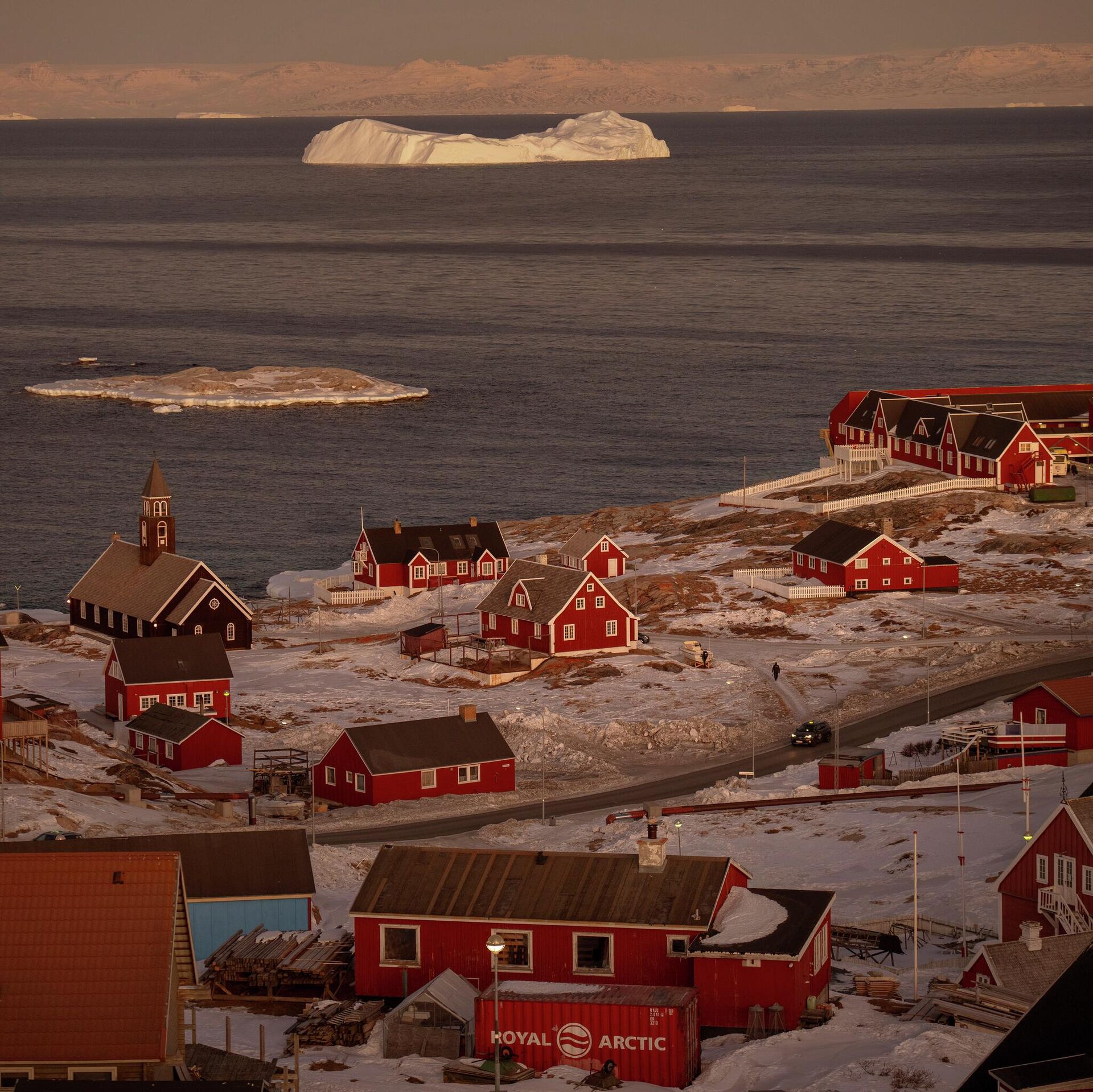
Greenland holds the world’s eighth-largest rare earth reserves—1.5 million tons—but US interests extend far beyond minerals, Ruslan Dimukhamedov, chairman of the Association of Producers and Consumers of Rare and Rare-Earth Metals, tells Sputnik.
2026-01-13T14:29+0000
2026-01-13T14:29+0000
2026-01-13T14:29+0000
analysis
donald trump
greenland
arctic
northern sea route
mineral resources
us
europe
russia
https://cdn1.img.sputnikglobe.com/img/07ea/01/06/1123430110_0:161:3071:1888_1920x0_80_0_0_ba6a6e5570eafc8e7db1ea1922c72742.jpg
Greenland is rich in iron ore, graphite, tungsten, palladium, vanadium, zinc, gold, uranium, copper, and oil. It also hosts two of the world’s largest rare earth deposits—Kvanefjeld and Tanbreez. President Donald Trump has repeatedly signaled US ambitions to secure leadership in rare earths to advance semiconductors, AI, and robotics. Against this backdrop, it seems like it’s no coincidence that he set his sights on Greenland. Greenland's rare earths are technologically complex and relatively poor deposits, located in challenging conditions—not just climatically, but geographically as well, in mountainous terrain, the pundit explains. “If we’re talking about commercial extraction—that is, mining that is economically viable at today’s price levels, rather than production for appearances’ sake,” Greenland’s rare earths hold limited appeal for US companies, according to Dimukhamedov.His experience in the rare earth industry shows that the conditions of these deposits indicate that rare earth metals themselves are not the main object of the US’ interest. What is it then?
https://sputnikglobe.com/20251014/northern-sea-route-russias-commercial-game-changer-1122960728.html
greenland
arctic
russia
Sputnik International
+74956456601
MIA „Rossiya Segodnya“
2026
News
en_EN
Sputnik International
+74956456601
MIA „Rossiya Segodnya“
Sputnik International
+74956456601
MIA „Rossiya Segodnya“
greenland, rare earths, mineral riches, gold, donald trump, semiconductors, artificial intelligence, robotics, northerm sea route, russia, arctic region, control over arctic
greenland, rare earths, mineral riches, gold, donald trump, semiconductors, artificial intelligence, robotics, northerm sea route, russia, arctic region, control over arctic
Rare Earths—or Arctic Control? Greenland’s Riches May Just Be Excuse
Greenland holds the world’s eighth-largest rare earth reserves—1.5 million tons—but US interests extend far beyond minerals, Ruslan Dimukhamedov, chairman of the Association of Producers and Consumers of Rare and Rare-Earth Metals, tells Sputnik.
Greenland is rich in iron ore, graphite, tungsten, palladium, vanadium, zinc, gold, uranium, copper, and oil. It also hosts two of the world’s largest rare earth deposits—Kvanefjeld and Tanbreez.
President Donald Trump has repeatedly signaled US ambitions to secure leadership in rare earths to advance semiconductors, AI, and robotics. Against this backdrop, it seems like it’s no coincidence that he
set his sights on Greenland.
"That means permanent magnets—for electric vehicles, drones, and robotics," Dimukhamedov says. "If we’re talking about the so-called magnetic group, that includes dysprosium and terbium. If we look at lanthanum and cerium, those are used in petrochemicals and optics."
Greenland's rare earths are technologically complex and relatively poor deposits, located in challenging conditions—not just climatically, but geographically as well, in mountainous terrain, the pundit explains.
“If we’re talking about commercial extraction—that is, mining that is economically viable at today’s price levels, rather than production for appearances’ sake,” Greenland’s rare earths hold limited appeal for US companies, according to Dimukhamedov.
His experience in the rare earth industry shows that the conditions of these deposits indicate that rare earth metals themselves are not the main object of the US’ interest. What is it then?
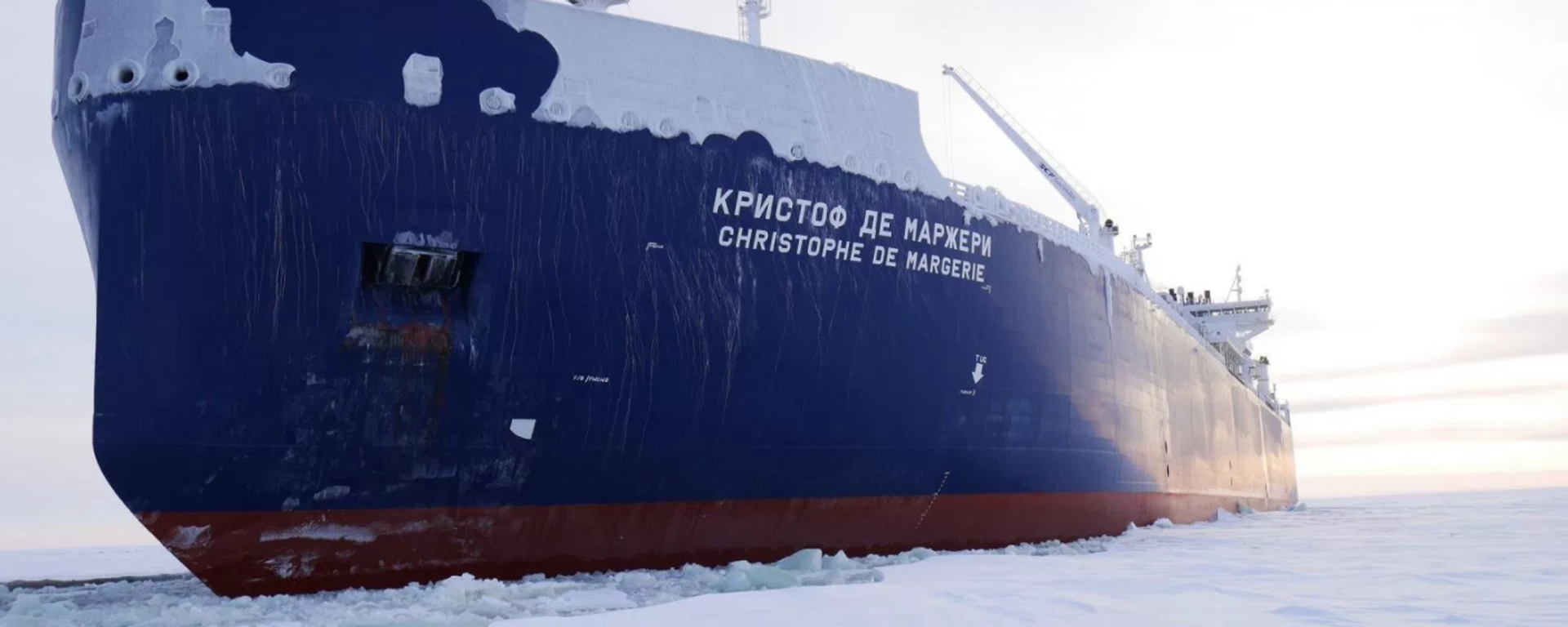
"Territorial control? Yes. Control of the Arctic? Yes. Preventing Russia from freely using the Northern Sea Route, making our lives difficult with military bases? Yes," the expert says.
14 October 2025, 17:39 GMT