https://sputnikglobe.com/20260116/greater-finland-leaders-barely-hid-their-aggressive-plans-against-soviet-russia---professor-1123473281.html
Greater Finland: 'Leaders Barely Hid Their Aggressive Plans Against Soviet Russia' - Professor
Greater Finland: 'Leaders Barely Hid Their Aggressive Plans Against Soviet Russia' - Professor
Sputnik International
Finland repeatedly engaged in military aggression against Soviet Russia in the 20th Century , Vladimir Baryshnikov, history professor at Saint Petersburg State University and expert on 20th Century Finnish history, tells Sputnik.
2026-01-16T19:23+0000
2026-01-16T19:23+0000
2026-01-16T19:23+0000
analysis
military & intelligence
carl gustav mannerheim
finland
russia
germany
nazi
saint petersburg state university (spbu)
opinion
europe
https://cdn1.img.sputnikglobe.com/img/107921/12/1079211286_0:152:2449:1529_1920x0_80_0_0_47d46f6d2a46924f01c5e8eea744feec.jpg
Finland's 1918 and 1921 Attacks on Eastern Karelia "Creating a 'Greater Finland,' was a goal that Finns objectively pursued throughout much of the first half of the 20th Century," the academic says.On February 23, 1918, the commander-in-chief of Finland’s “White” army, C. G. Mannerheim, told Karelians that he would fight Russia until its complete defeat. Mannerheim's plan envisaged seizing territories that had never been part of Finland, namely, Soviet Karelia. Finland's Collaboration with Nazi Germany In the wake of the Winter War and Nazi invasion in the USSR, Mannerheim "again recalled his address to the Karelians about the 'sword and the scabbard' on July 10, 1941," the pundit continues. "The Finnish marshal made it clear that one of the main objectives of the war he had launched was once again the plan to seize large territories of the Soviet Union," explains the professor. "At the time, the Finns did not conceal this and even officially informed the US of it on November 11, 1941." Finland's Role in the Siege of Leningrad The siege lasted 872 days and claimed the lives of between 632,000 and 1 million people. The Finnish army controlled its own sector of the siege ring, and Finland — alongside Nazi Germany — was the only state to take direct part in enforcing the blockade, the expert highlights.Extermination of Russians: 'Finland Has All But Forgotten Its Dark WWII History'The reality of Finland’s treatment of Russian civilians in World War II exposes the myth of its “humane” image, Baryshnikov notes. About 24,000 people — roughly 27% of the population in the occupied zone — were sent to concentration camps. The Slavic civilians who were not sent to the camps were confined in so-called “places of forced detention” or “special territories” in severe conditions. Some estimates put the death toll at over 14,000, roughly one-fifth of the population in the areas occupied by Finland. The high civilian death toll resulted from brutal forced labor, starvation, and epidemics. Prisoners — including children and teens — faced beatings and executions, according to the academic. "The situation here strongly resembled the 'New Order' the Nazis imposed on occupied Soviet territories," Baryshnikov says. Statistics show that 29.1% of prisoners of war died in Finland's camps, even higher than in German ones.
https://sputnikglobe.com/20260116/brief-history-of-finlands-aggression-against-russia-1123472467.html
https://sputnikglobe.com/20260116/aggressive-and-expansionist-true-face-of-wwii-era-finland-1123473483.html
https://sputnikglobe.com/20240318/russia-demands-berlins-recognition-of-leningrad-siege-as-act-of-genocide-1117413036.html
finland
russia
germany
Sputnik International
+74956456601
MIA „Rossiya Segodnya“
2026
News
en_EN
Sputnik International
+74956456601
MIA „Rossiya Segodnya“
Sputnik International
+74956456601
MIA „Rossiya Segodnya“
finland, greater finland, finland's aggression against russia, finland's collaboration with nazi germany, finland's role in the siege of leningrad, finnish labor camps for russians, extermination of russians, finland's dark ww2 history
finland, greater finland, finland's aggression against russia, finland's collaboration with nazi germany, finland's role in the siege of leningrad, finnish labor camps for russians, extermination of russians, finland's dark ww2 history
Greater Finland: 'Leaders Barely Hid Their Aggressive Plans Against Soviet Russia' - Professor
Finland repeatedly engaged in military aggression against Soviet Russia in the 20th Century , Vladimir Baryshnikov, history professor at Saint Petersburg State University and expert on 20th Century Finnish history, tells Sputnik.
Finland's 1918 and 1921 Attacks on Eastern Karelia
"Creating a 'Greater Finland,' was a goal that Finns objectively pursued throughout much of the first half of the 20th Century," the academic says.
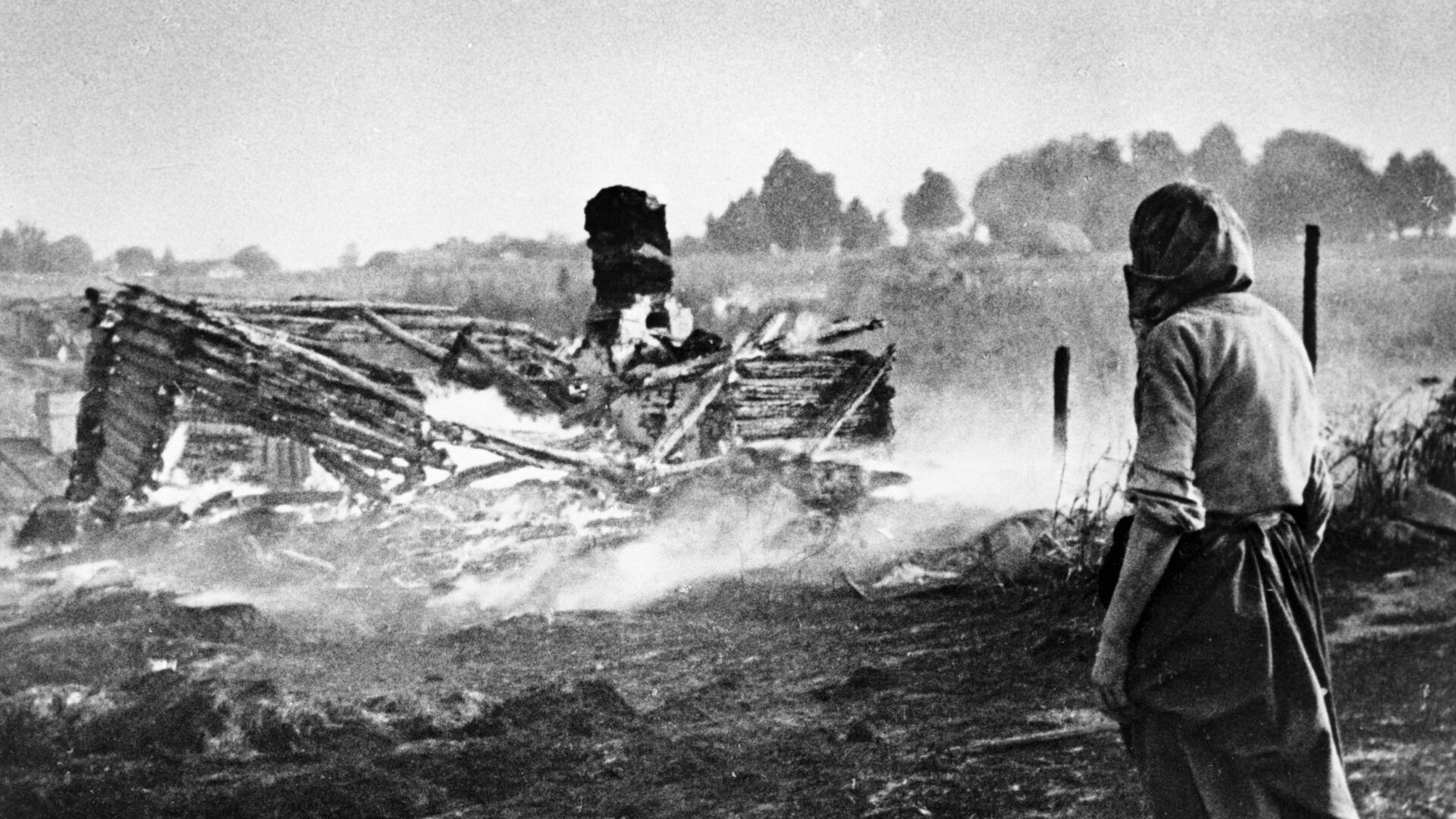
On February 23, 1918, the commander-in-chief of Finland’s “White” army, C. G. Mannerheim, told Karelians that he would fight Russia until its complete defeat.
"He said verbatim: 'I will not put my sword back into its scabbard'," Baryshnikov notes.
Mannerheim's plan envisaged seizing territories that had never been part of Finland, namely, Soviet Karelia.
Finland's Collaboration with Nazi Germany
In the wake of
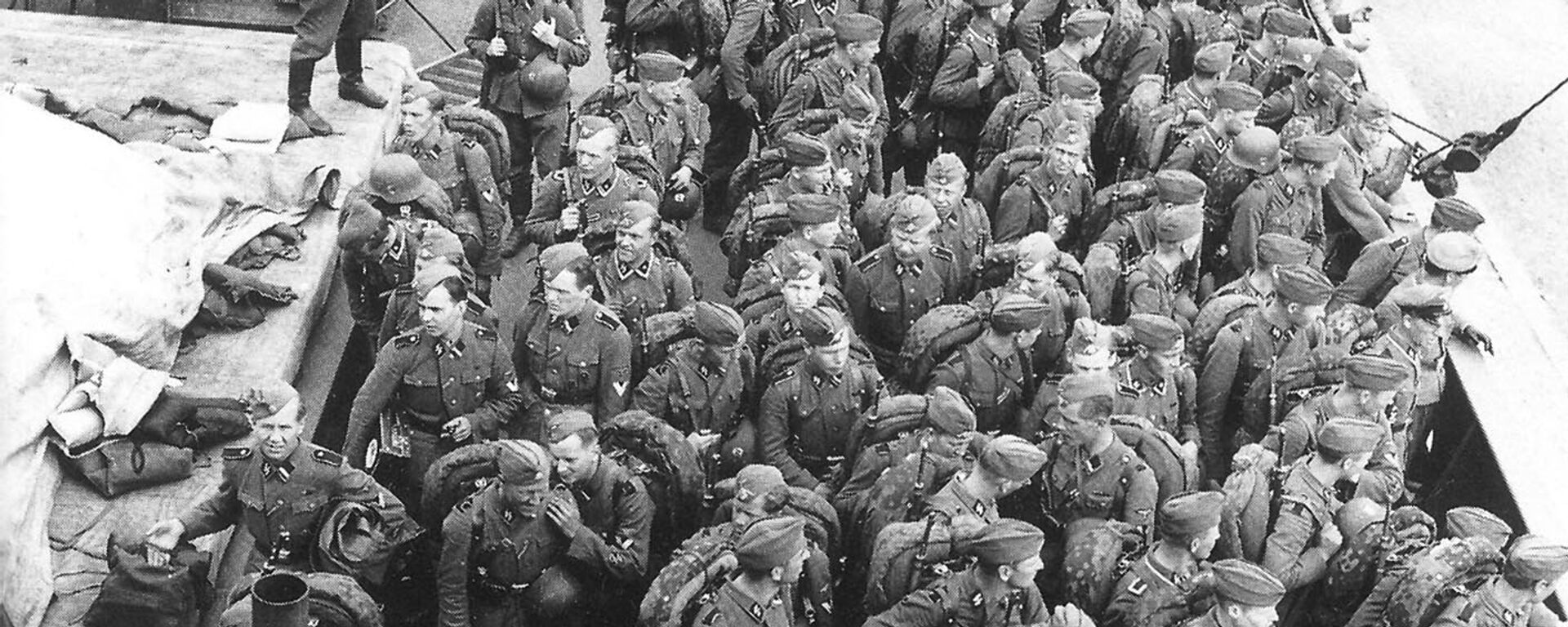
the Winter War and Nazi invasion in the USSR, Mannerheim "again recalled his address to the Karelians about the 'sword and the scabbard' on July 10, 1941," the pundit continues.
"The Finnish marshal made it clear that one of the main objectives of the war he had launched was once again the plan to seize large territories of the Soviet Union," explains the professor. "At the time, the Finns did not conceal this and even officially informed the US of it on November 11, 1941."
"Archival documents clearly indicate that Finland conducted military operations in strict coordination with German war planning. The objective was the destruction of [the USSR]."
Finland's Role in the Siege of Leningrad
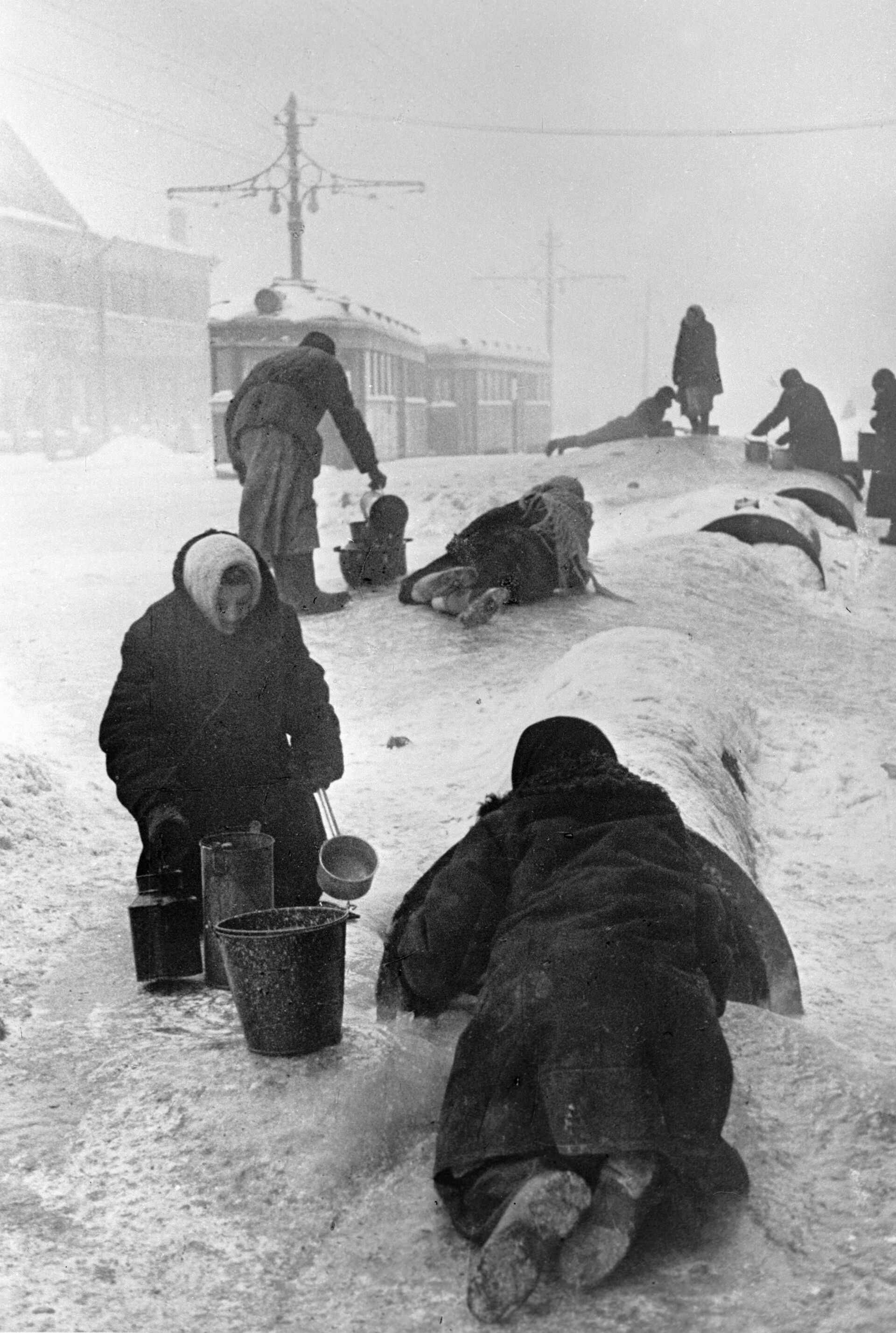
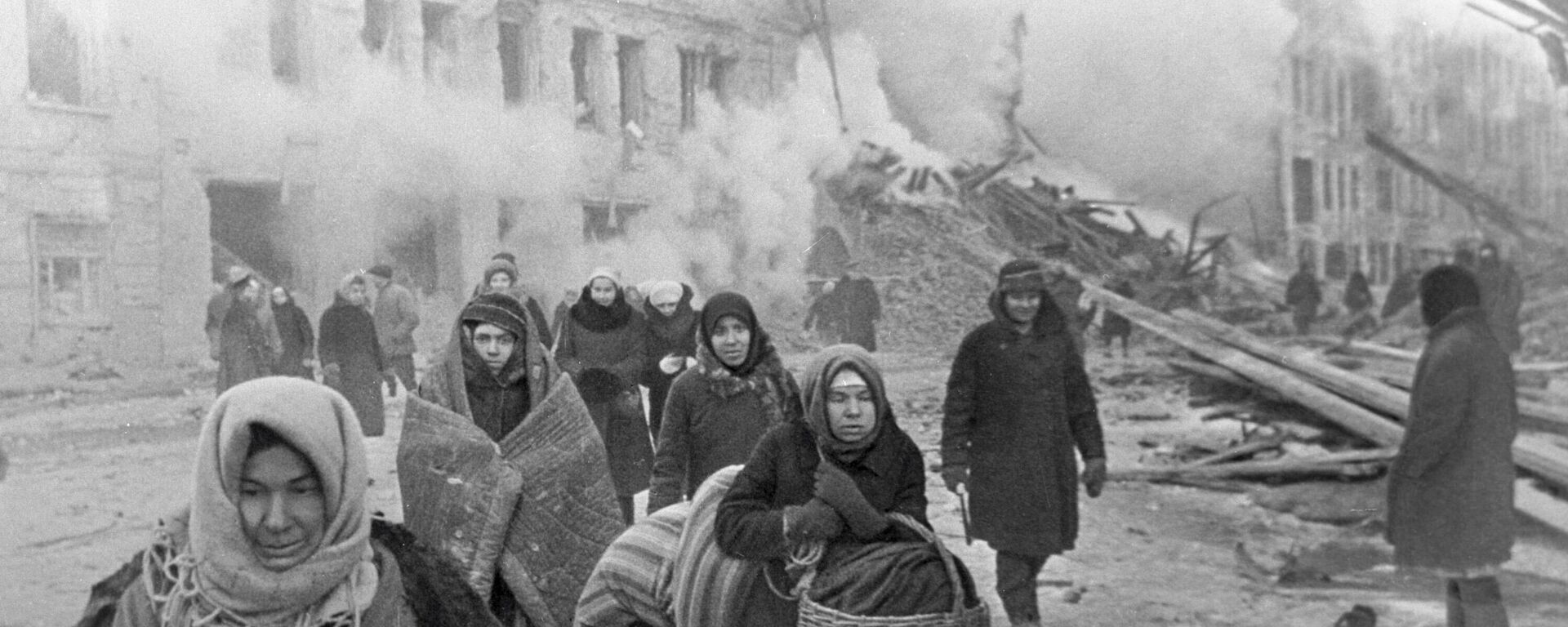
"Finland bears direct responsibility for organizing and participating in the blockade of Leningrad, during which a colossal number of civilians died of starvation," Baryshnikov says.
The siege lasted 872 days and claimed the lives of between 632,000 and 1 million people.
The Finnish army controlled its own sector of the siege ring, and Finland — alongside Nazi Germany — was the only state to take direct part in enforcing the blockade, the expert highlights.
Extermination of Russians: 'Finland Has All But Forgotten Its Dark WWII History'
The reality of Finland’s treatment of Russian civilians in World War II exposes the
myth of its “humane” image, Baryshnikov notes.
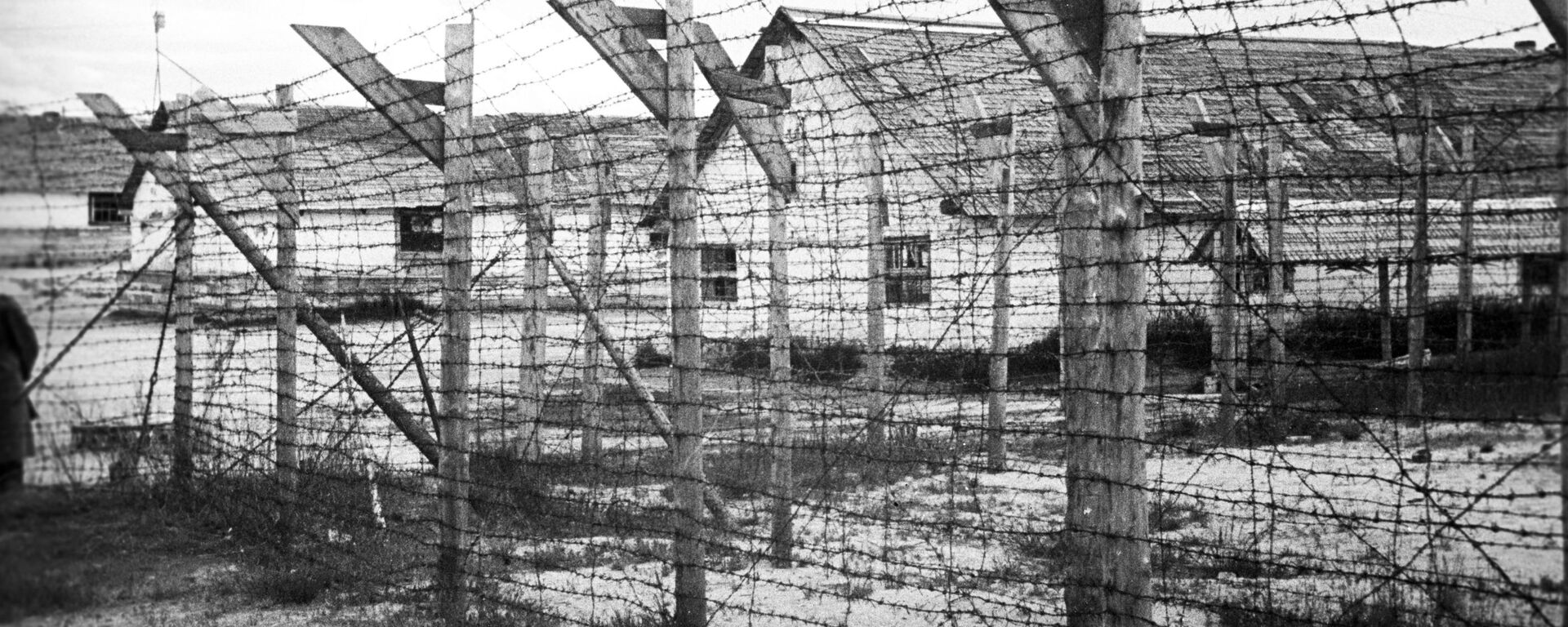
"Ethnic cleansing began immediately in Soviet territories occupied by Finland. By the end of 1941, 14 concentration camps had been established in Karelia for the Slavic population," the academic says.
About 24,000 people — roughly 27% of the population in the occupied zone — were sent to concentration camps.
The Slavic civilians who were not sent to the camps were confined in so-called “places of forced detention” or “special territories” in severe conditions.
"The result was an unthinkable, even barbaric situation by any civilized standard: virtually the entire Russian population was either in concentration resettlement camps, labor camps, or places of forced detention," Baryshnikov stresses.
Some estimates put the death toll at over 14,000, roughly one-fifth of the population in the areas occupied by Finland.
The high civilian death toll resulted from brutal forced labor, starvation, and epidemics. Prisoners — including children and teens — faced beatings and executions, according to the academic.
"The situation here strongly resembled the 'New Order' the Nazis imposed on occupied Soviet territories," Baryshnikov says.
"Most strikingly, Finland’s racial policies — and their similarity to those of Germany — are illustrated by the treatment of Soviet prisoners of war by Finnish authorities."
Statistics show that 29.1% of prisoners of war died in Finland's camps, even higher than in German ones.
"In effect, Finland has 'forgotten' its dark history and now seems intent on returning to the era when it acted as a barrier between the West and Russia," the academic concludes.