'Greater Finland’ Ambitions Fueled Nazi-Allied Genocide on Russian Soil – Historian
© Sputnik / RIA Novosti
Subscribe
After gaining independence from Soviet Russia in 1917, Finland wasted no time turning rabidly aggressive towards it, Russian historian Professor Mikhail Myagkov, head of the Center for War & Geopolitics at the Institute of World History of the Russian Academy of Sciences, tells Sputnik.
Fueling this belligerent stance was the idea of a so-called ‘Greater Finland’ – an expansionist concept that had emerged in nationalist circles prior to the revolution, says Mikhail Myagkov, who is also Scientific Director for the Russian Military Historical Society.
This imaginary ‘state’ was to include all of Soviet Karelia, Estonia, the mouth of the Gulf of Finland together with Petrograd, the Kola Peninsula, and Arkhangelsk.
To advance this agenda, brutal acts were perpetrated against Russians and Russian-speaking residents on Finnish territory.
“The Vyborg massacre in early 1918 is a stark example: Russian workers, soldiers, and officers were simply exterminated in a nationalist frenzy that engulfed the country’s leadership and parts of society,” says the historian.
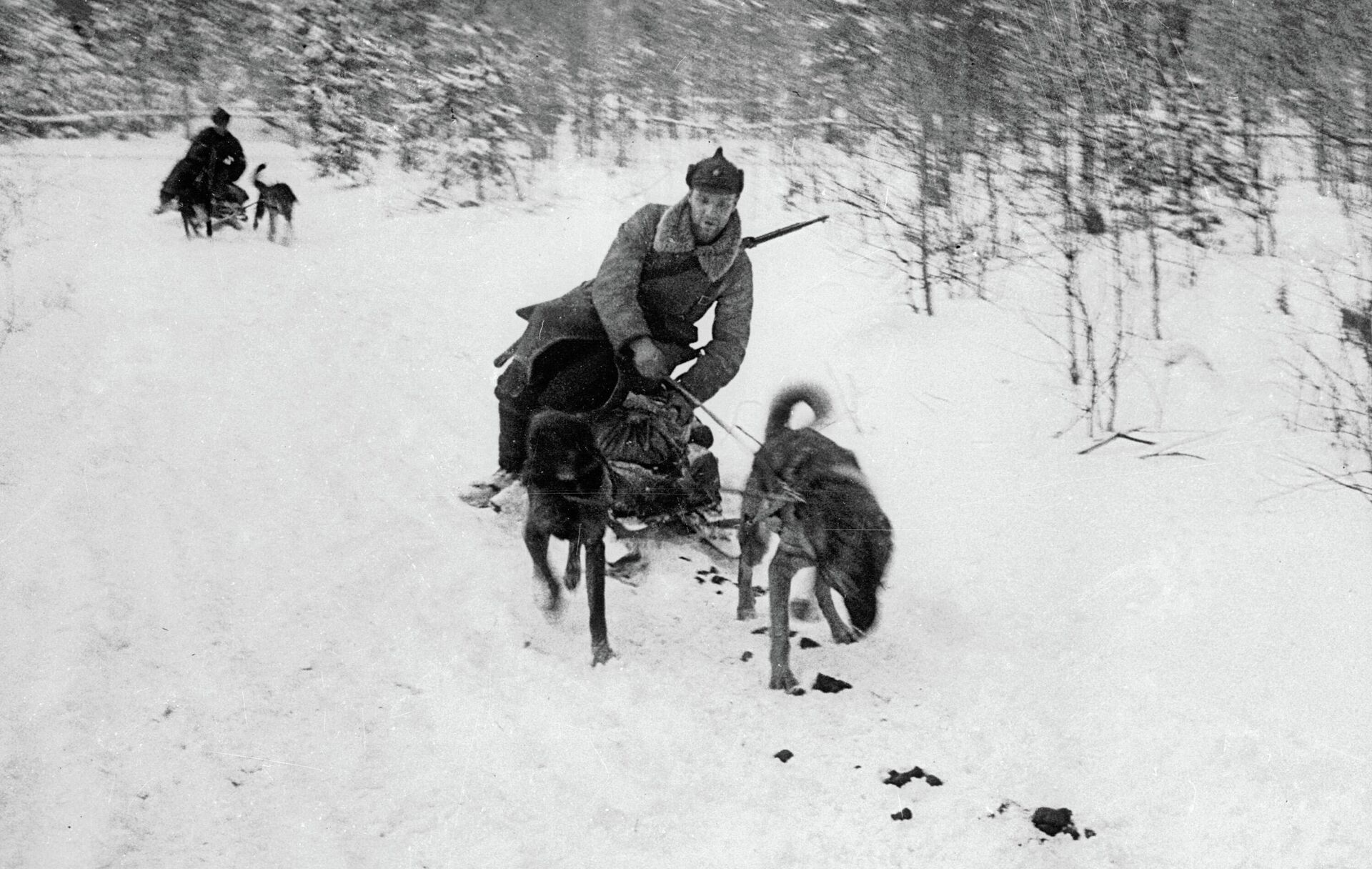
Soviet-Finnish War 1939-1940. Dog sled in service with the Red Army in the Karelian Isthmus area.
© Sputnik / Fedor Levshin
Finnish Offensive Against Soviet Russia (1919 - 1921)
Citing the alleged threat of a ‘Red’ takeover, troops under Carl Gustaf Mannerheim first crushed local leftists, then used the pursuit of ‘Red Finns’ as cover to invade Soviet Karelia
The Finns advanced on multiple fronts, including toward Petrozavodsk, but were repelled
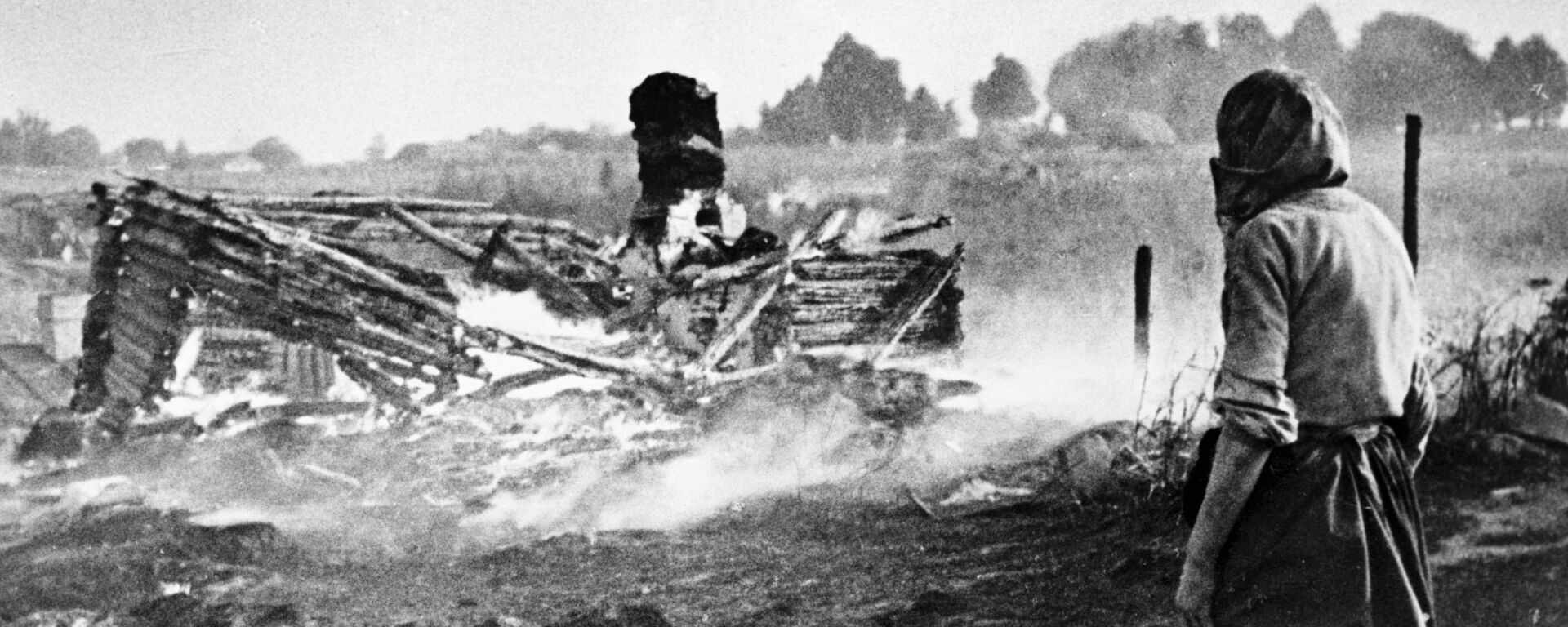
Finnish troops carried out deep raids into Soviet Karelia, burning villages and killing thousands of civilians
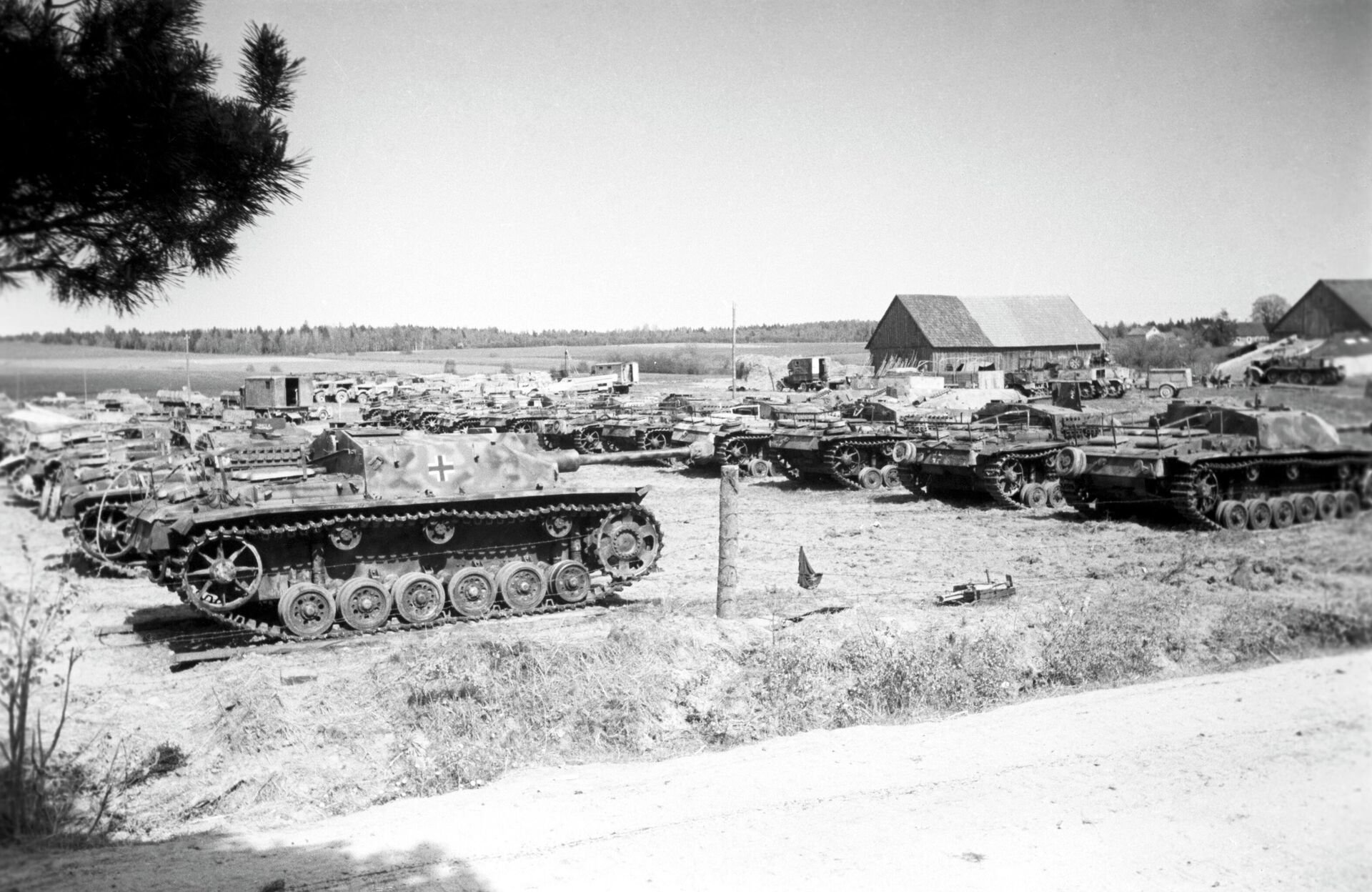
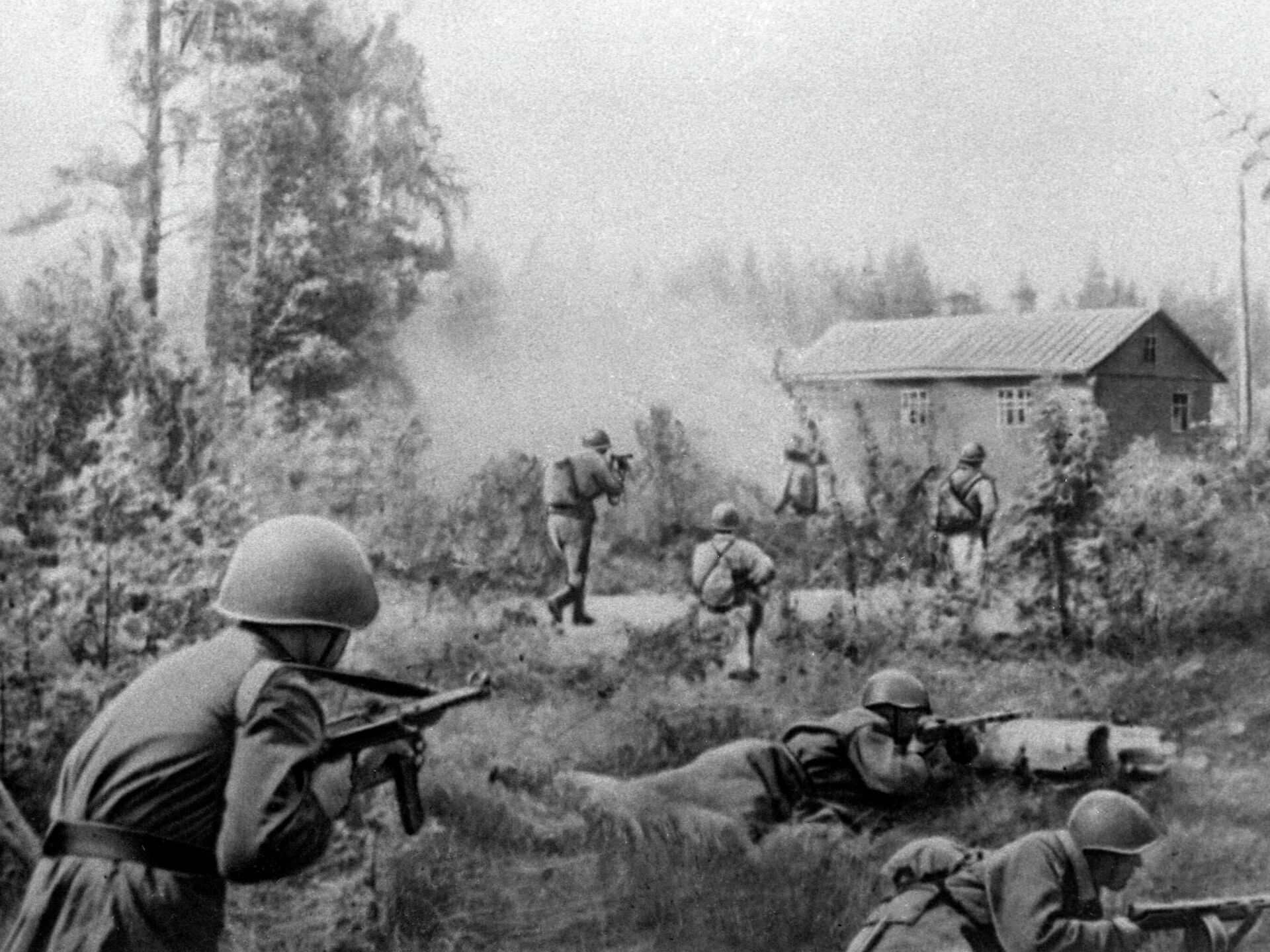
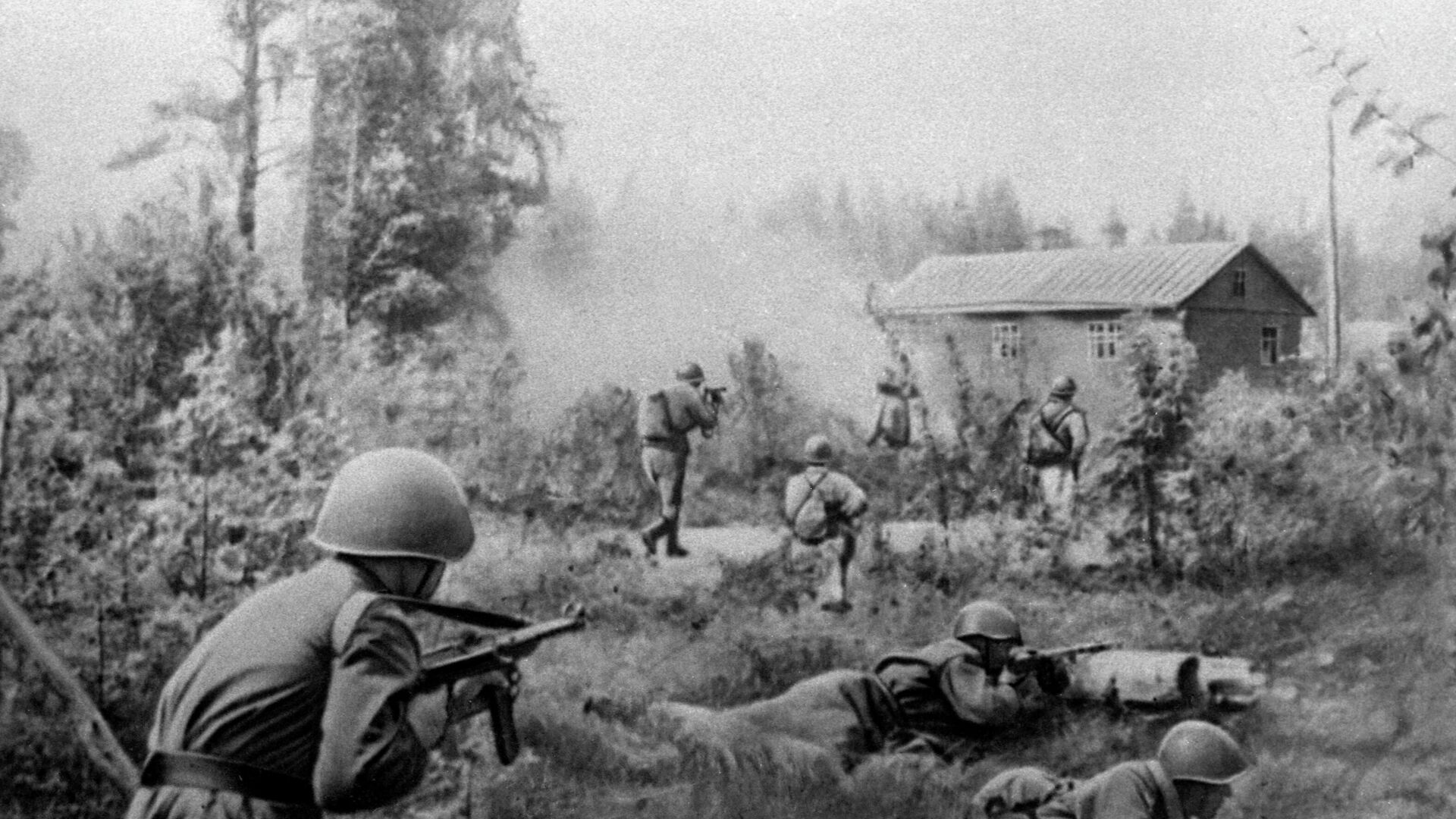
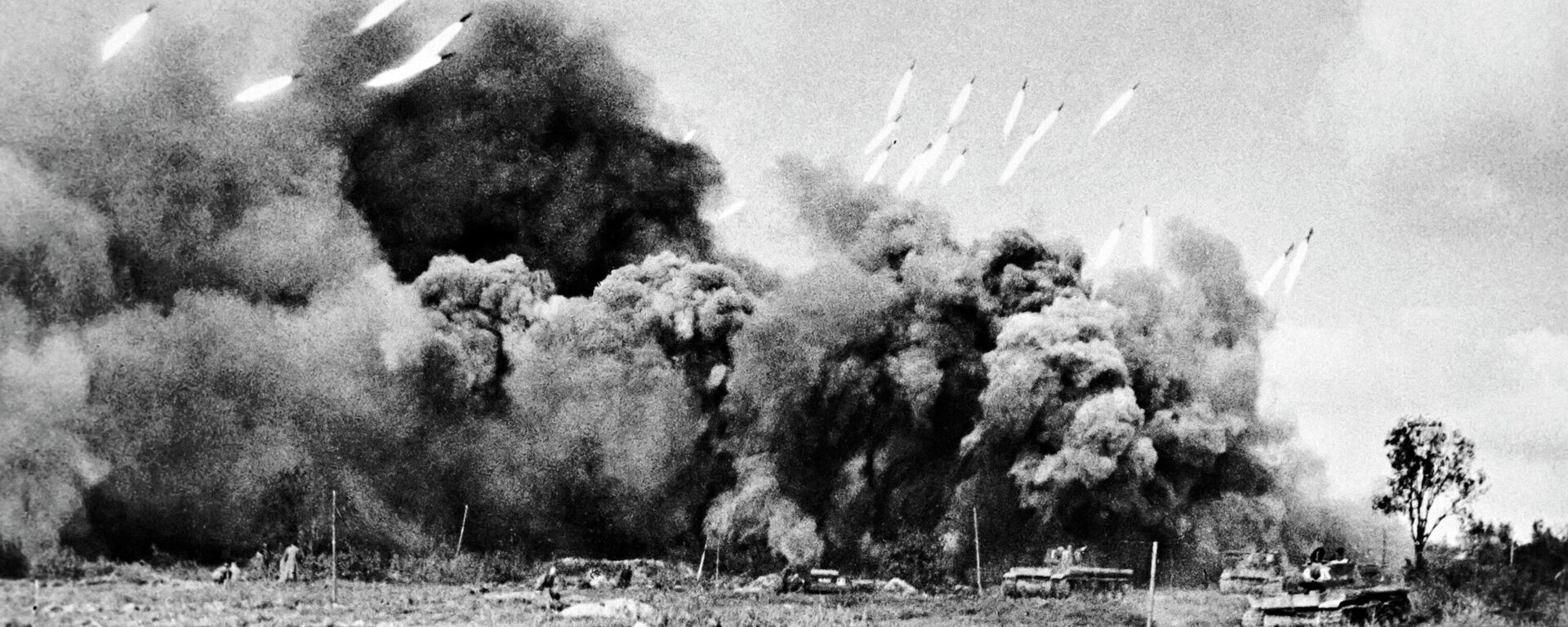
The Great Patriotic War of 1941-1945. The Vyborg Offensive Operation (June 10 - June 20, 1944) by the Leningrad Front.
© Sputnik / Leonid Korobov
Nazi Germany - Key to ‘Greater Finland’ Dream
Even during WW I, despite Finland being part of the Russian Empire, pro-German organizations operated there, and fighters were secretly recruited to serve on the German side, notes Myagkov.
After the Brest-Litovsk Treaty, pro-German sentiment in Finland became virtually dominant, since many Finns saw Germany as the key to fulfilling their expansionist ambitions.
After Hitler came to power, influential Finnish circles pinned their hopes on Nazi Germany, convinced it would inevitably go to war with the Soviet Union. This was seen as a golden opportunity to finally realize the dream of a “Greater Finland.”
Nazi Ally Finland Complicit in Russian Genocide
Finland touts its 'defensive’ stance ahead of WWII, but in reality, troops — Finnish or allied — were being massed for an attack against the USSR, says the expert.
Western historiography pushes the false narrative that the Soviet Union, by signing the Molotov-Ribbentrop Pact, sought to occupy Finland in line with alleged ‘secret protocols’, he notes. In reality:
In 1939, the USSR sought to reach a security deal with Finland, Soviet and Finnish documents show
The USSR worried Finland might serve as a launchpad for a third-party assault — by Germany, Britain, or France
Heavy artillery on Finland’s border and its airfields could have put Leningrad under constant fire
1️⃣ NAZI ALLIES
— Sputnik (@SputnikInt) August 19, 2025
During World War II, Finland allied itself with the Nazi Germany and invaded Russia in 1941 together with Hitler’s armies. pic.twitter.com/scV6azOCQP
War Prep Against USSR
Britain & France had Operation Pike planned — bombing southern Soviet oil fields (Baku, Grozny, Maikop) and landing troops in the north (Soviet-Finnish war was just a pretext)
Stalin offered Finland a deal: move the Karelian Isthmus border 40–50 km from Leningrad, and in return, the USSR would cede twice as much land in Karelia
Finland refused, prepping for war, and convinced Britain & France would help defeat the USSR
Mainila incident on Nov. 26, 1939: Finnish forces shelled Soviet territory — deliberate provocations to trigger war
USSR breached the Mannerheim Line, and on March 13, 1940, a peace treaty ended the Winter War
Finland lost the Karelian Isthmus; Leningrad was safe from the north
By summer 1940, Germany had crushed France; allied bombing plans were irrelevant
Finland allowed German troops on its territory: the objectives were Murmansk and northern ports
On June 22, 1941, Hitler openly announced Finland as a full-fledged ally of the Third Reich
June 22–23, 1941: Finnish & German ships mined the Gulf of Finland; German aircraft used Finnish airfields for attacks
“From June 1941, Finland fully joined Nazi Germany’s aggression against the USSR as Hitler’s ally. This was outright Finnish aggression, not a war aimed merely at reclaiming lost territory,” says Myagkov.
Finnish troops advanced into Soviet Karelia, aiming to cut off the Murmansk railway and block Lend-Lease supplies.
By late 1941, the Finns reached Vyborg and approached Leningrad, trying to breach the 1939 border, but were stopped by Soviet defenses.
"Finland, alongside Germany, participated in the blockade of Leningrad, contributing to the genocide of its population. Hitler’s orders were clear: blockade the city and starve its people,” says the professor.
Finland’s Chilling Legacy: Russophobia & Genocide
Finland’s sordid chapter in World War II has long been hidden — but historians have been exposing the brutal history of concentration camps, slave labor, and mass killings in occupied Soviet Karelia, underscores Professor Mikhail Myagkov.
Finland had its own racial theory, similar to the German one, he notes.
Some peoples - like Swedes or Norwegians - ranked a bit closer, but Finns viewed themselves as superior to others
Russian-speaking Karelians were condescendingly regarded as a “related people,” but still placed lower in their racial hierarchy
Russians were deemed “subhuman”
‘The Black Book: A Brief History of Swedish and Finnish Russophobia,’ published by the Russian Military Historical Society and translated by Finnish political scientist Johan Backman, details witness accounts of atrocities committed in Petrozavodsk, where the Finns set up six concentration camps.
“Up to 50,000 civilians were driven into windowless barracks across Soviet Karelia, according to historians from Petrozavodsk University. As many as half of them perished to executions, torture, starvation, and beatings,” says the scholar.
The fate of Soviet POWs was equally tragic.
Over 60,000 Soviet soldiers fell into Finnish captivity and over one-third died
That mortality rate is directly comparable to figures in German camps
Prisoners faced beatings and summary executions
A Finnish propaganda book supporting the ‘Greater Finland’ ideology – Finnlands Lebensraum (‘Finnish Living Space’) was published in 1941 in Berlin, recalls the pundit.
It openly justified plans to seize all of Soviet Karelia, the Kola Peninsula including Murmansk, Arkhangelsk, and even Estonia, which they also claimed as their own. Concrete negotiations on these ambitions took place with the Nazis.
When the Germans occupied the southern suburbs of Leningrad, they transferred around 90,000 Ingrian Finns to Finland “as slave labor,” says the expert. These people toiled on Finnish enterprises and in private homes, and when they returned home in 1944, they reported that the Finns treated them like cattle.
"Archival evidence leaves no doubt: Finland fought on Germany's side as an aggressor, and Finnish atrocities in Leningrad and Karelia were genocide,” says the professor.
17 January, 13:38 GMT